Research Overview
Mixed Protonic–Electronic Conductors (MPECs)
Design Principles
- Metal centers
- Ligands
- Functional groups
Hydrogen-Bonded Coordination Polymers
Characterization
- Structure
- Transport
- Theoretical modeling
Applications
- Neuromorphic devices
- Adaptive sensing
- …and more
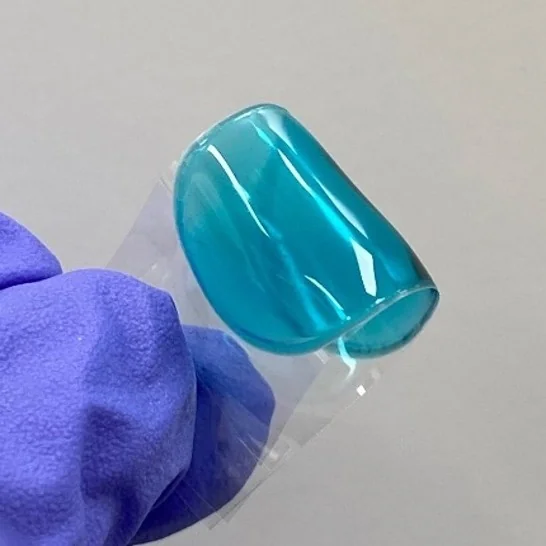
Design Principles
We strategically design and synthesize novel hydrogen-bonded coordination polymers (HBCPs) by tuning metal centers, ligands, and functional groups.
금속 중심체, 리간드, 기능기를 정밀하게 조절하여 새로운 수소결합 배위 고분자(HBCPs)를 전략적으로 설계하고 합성합니다.
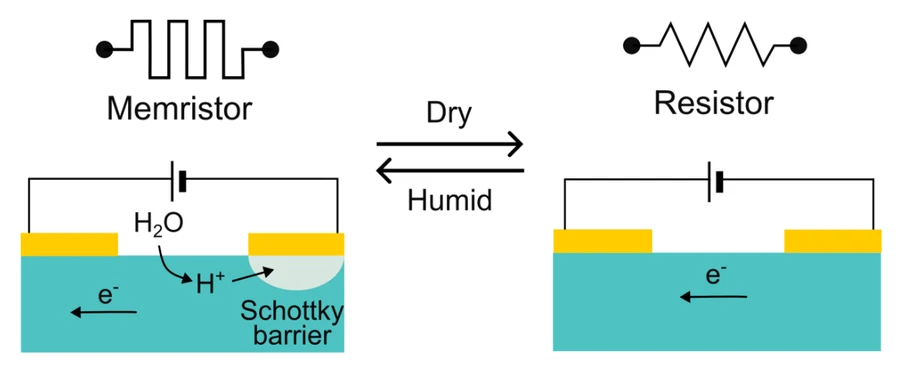
Characterization
We investigate the structure and the mixed transport of protons and electrons, combined with theoretical modeling, to elucidate the fundamental mechanisms of proton-electron coupling within HBCPs.
구조 분석, 양성자·전자 혼합 전도 측정, 이론 모델링을 통해 HBCPs 내 양성자-전자 결합의 근본적인 원리를 규명합니다.
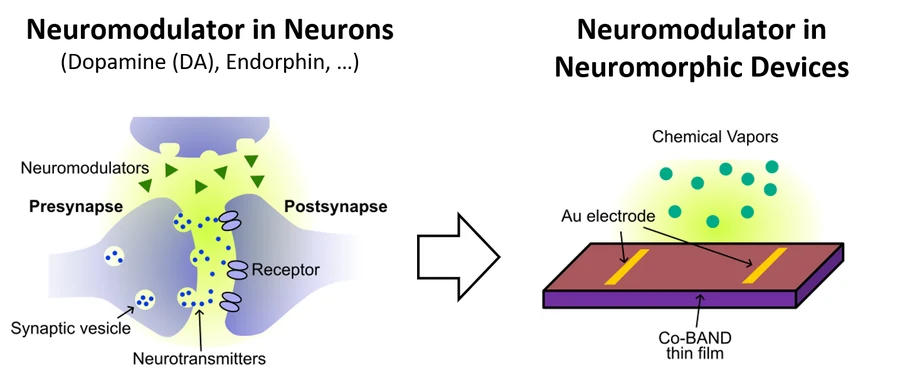
Applications
We explore advanced applications of these materials in next-generation functional platforms, such as neuromorphic and adaptive sensing devices.
개발된 소재를 뉴로모픽 소자 및 적응형 센싱 소자 등 차세대 고기능성 플랫폼에 응용합니다.